
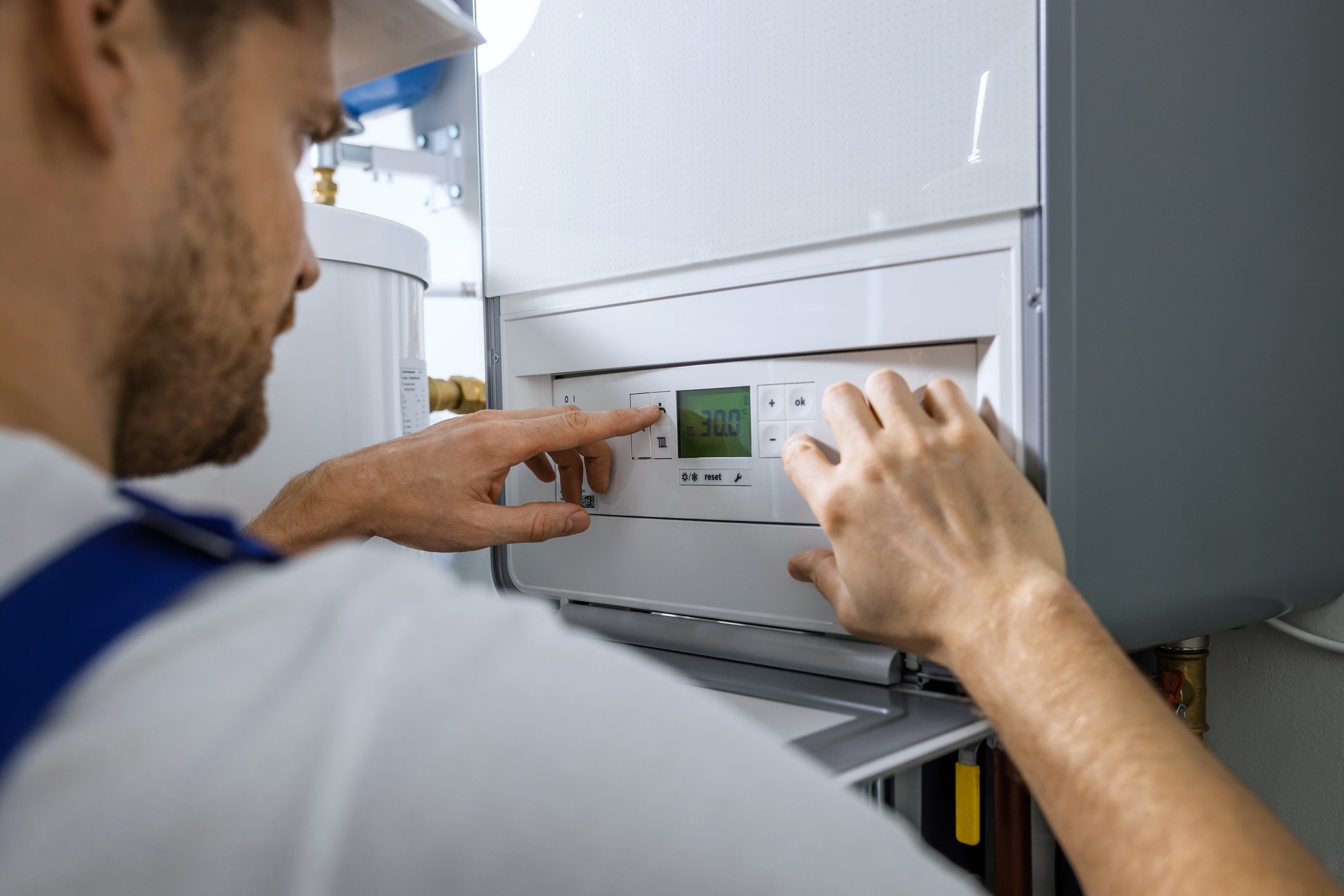
Spring Boiler Maintenance Checklist for Toronto Homeowners
After a long Toronto winter, most homeowners stop thinking about their heating systems as soon as the weather begins to warm up. However, spring is actually one of the best times of year to perform boiler maintenance. With the heating season finished, your boiler has likely been running heavily for several months and may benefit from inspection, cleaning, and minor adjustments.
Scheduling maintenance in the spring is also easier than waiting until fall. Once temperatures begin to drop again, HVAC companies across Toronto and the GTA experience a surge in service calls. By addressing maintenance earlier in the year, homeowners can avoid the seasonal rush and ensure their system is ready well before the next cold snap.
Toronto's climate makes preventative boiler maintenance especially important. With long winters and extended periods of sub-zero temperatures, boilers often operate continuously for months at a time. This heavy usage can gradually reduce efficiency and increase wear on system components if maintenance is neglected.
A spring checkup allows small issues to be caught early, helping prevent unexpected breakdowns next winter and extending the lifespan of your boiler. Regular maintenance also keeps heating systems operating safely and efficiently, which can help reduce energy costs over time.
For Toronto homeowners, treating boiler maintenance as an annual spring task is one of the simplest ways to protect both comfort and long-term heating system reliability.
Why Spring Is the Best Time for Boiler Maintenance
Many homeowners wait until the fall to think about their heating systems, but spring is actually the ideal time to perform boiler maintenance. Once the heating season ends, your boiler has just completed months of heavy use and is still in a state where issues can be identified and addressed before they become serious problems.
Avoid the Fall Service Rush
When temperatures begin to drop in Toronto, heating companies experience a sharp increase in service calls. Many homeowners schedule inspections or repairs at the same time, which can make it harder to book an appointment quickly. Scheduling maintenance in the spring allows homeowners to avoid the fall rush and secure service at a more convenient time.
Identify Problems Early
Boilers that run throughout Toronto's long winters can develop small issues such as minor leaks, pressure irregularities, or buildup on internal components. A spring inspection helps detect these problems early, when they are usually easier and less expensive to fix.
Maintain System Efficiency
Dust, sediment, and wear on components can gradually reduce boiler efficiency. Regular maintenance helps ensure the system continues to operate properly, which can improve energy efficiency and reduce heating costs when the system is needed again.
Prepare for the Next Winter
Toronto winters are known for extended cold periods and heavy heating demand. Ensuring your boiler is inspected and serviced well in advance means homeowners can enter the next heating season knowing their system has been properly maintained and prepared for another year of use.
Important Boiler Maintenance Facts and Figures
Regular boiler maintenance is not just about preventing inconvenience, it also has a measurable impact on system efficiency, safety, and long-term costs. Industry data consistently shows that preventative maintenance can significantly improve the performance and lifespan of residential heating systems.
For Toronto homeowners, where boilers often run continuously through long winters, annual maintenance is one of the most effective ways to keep heating systems reliable, efficient, and safe.
Neglected Boilers Can Lose Efficiency
Heating systems that are not regularly maintained can gradually lose efficiency due to dust buildup, worn components, or improper combustion settings. According to HVAC industry studies, a poorly maintained heating system can lose up to 10–15% of its efficiency over time, which can increase energy consumption and heating costs.
Regular Maintenance Can Extend Boiler Lifespan
A well-maintained boiler can last significantly longer than one that is neglected. Many residential boilers are designed to last 15–20 years, but routine maintenance can help extend the lifespan by several years by reducing wear on critical components such as burners, pumps, and heat exchangers.
Preventative Maintenance Reduces Breakdowns
Unexpected heating failures are often caused by small problems that went unnoticed. Studies in the HVAC sector suggest that preventative maintenance can reduce the likelihood of system breakdowns by 30–40%, particularly during peak winter months when boilers are under the most strain.
Lower Risk of Emergency Repairs
Emergency boiler repairs are often more expensive and disruptive than routine servicing. Regular inspections help identify issues such as pressure problems, valve wear, or sediment buildup early, allowing homeowners to address them before they escalate into major repairs.
According to Natural Resources Canada, space heating represents the largest share of energy use in Canadian homes, highlighting the importance of maintaining heating systems such as boilers for efficiency and reliability. (source)
Signs Your Boiler May Need Maintenance
Even if your boiler appears to be working normally, there are several warning signs that may indicate it needs maintenance or inspection. Paying attention to these early indicators can help Toronto homeowners address small problems before they turn into costly repairs.
Unusual Noises
Boilers typically operate quietly. If you begin hearing banging, whistling, gurgling, or rattling sounds, it may indicate air trapped in the system, mineral buildup, or issues with internal components such as the pump or heat exchanger.
Uneven Heating in the Home
If some rooms feel colder than others or radiators are not heating evenly, it could suggest air in the system, circulation problems, or pressure issues. These problems can often be corrected through maintenance before they worsen.
Rising Energy Bills
A sudden increase in heating costs without a change in usage may indicate the boiler is losing efficiency. Dirt buildup, worn components, or improper combustion settings can all reduce efficiency and cause the system to consume more energy.
Frequent System Cycling
If the boiler frequently turns on and off, it may be struggling to maintain the correct temperature. This type of short cycling can place additional stress on the system and may indicate thermostat issues, pressure problems, or component wear.
Water Leaks Around the Boiler
Any visible water around the boiler, valves, or pipes should be investigated. Even small leaks can lead to pressure loss, corrosion, and long-term damage if left unresolved.
Yellow or Flickering Flame
For gas boilers, the flame should typically appear steady and blue. A yellow or irregular flame may signal incomplete combustion or burner buildup and should be inspected by a professional technician.
If homeowners notice any of these signs, it is best to schedule a boiler inspection promptly. Addressing problems early helps prevent unexpected breakdowns, especially during Toronto's cold winter months when heating systems are under the most demand.
Still repairing an older boiler?
If service calls are becoming more frequent, it may be time to compare that cost with a newer, more efficient system.
Spring Boiler Maintenance Checklist
After a long Toronto winter, your boiler has likely been working continuously for months. Performing a few basic maintenance checks in the spring helps identify small issues early and ensures the system remains in good condition before the next heating season begins.
1. Check Boiler Pressure
Most residential boilers operate within a specific pressure range, typically around 1 to 1.5 bar when the system is cold. If the pressure drops too low, the boiler may struggle to circulate hot water properly. If it is too high, it can place unnecessary stress on system components.
Check the pressure gauge on the front of the boiler and confirm that it falls within the recommended range listed in the manufacturer's manual. If pressure levels appear abnormal, it may be best to contact a qualified technician.
2. Inspect for Leaks or Corrosion
Take a few minutes to visually inspect the boiler and nearby pipes for signs of:
- Water leaks
- Rust or corrosion
- Moisture around pipe joints
- Drips from valves or connections
Even small leaks can lead to larger issues over time if they are not addressed. Catching these early can help prevent more serious damage.
3. Test the Thermostat
Your thermostat controls how the boiler responds to heating demands. Turn the thermostat up slightly and confirm that the system responds correctly.
Check for:
- Delayed system response
- Incorrect temperature readings
- Thermostat batteries that may need replacement
Ensuring the thermostat works properly helps the heating system operate more efficiently.
4. Clean Around the Boiler
Dust and debris can accumulate around heating equipment over the winter months. Keeping the area around the boiler clean improves airflow and reduces the risk of dirt entering system components.
Make sure to:
- Remove dust and debris around the unit
- Keep storage items away from the boiler
- Maintain clear space around vents and pipes
A clean boiler area also makes it easier to notice potential issues such as leaks.
5. Check Radiators and Vents
If your home uses radiators or hydronic heating, spring is a good time to inspect them.
Look for:
- Cold spots in radiators
- Air trapped in the system
- Valves that are not fully open
Bleeding radiators may help remove trapped air and improve system performance.
6. Inspect the Boiler Flame
For gas boilers, the flame should generally appear steady and blue. A yellow or flickering flame may indicate combustion issues or burner buildup.
If the flame appears unusual, it is best to contact a professional technician to inspect the system.
7. Schedule a Professional Boiler Tune-Up
While homeowners can perform basic visual checks, a professional boiler inspection is an important part of annual maintenance.
A licensed technician can:
- Clean internal components
- Test safety controls
- Check combustion efficiency
- Inspect the heat exchanger and burners
- Verify that the system is operating safely
Scheduling this service in the spring allows homeowners to avoid the busy fall season and ensures the system is ready for the next winter.
When to Call a Professional Boiler Technician
While homeowners can perform simple visual inspections and basic checks, some aspects of boiler maintenance require the expertise of a trained technician. Boilers involve pressurized water, gas connections, and combustion systems, which means certain inspections and adjustments should always be handled by a qualified professional.
Annual Boiler Tune-Ups
A professional boiler tune-up is typically recommended once per year, even if the system appears to be operating normally. During a service visit, a technician can perform detailed checks that are not possible during routine homeowner inspections.
A professional tune-up may include:
- Cleaning burners and internal components
- Testing safety controls and shut-off mechanisms
- Checking combustion efficiency
- Inspecting the heat exchanger for wear or cracks
- Verifying gas pressure and system operation
These steps help ensure the boiler is operating safely and efficiently.
Combustion and Gas System Checks
Gas boilers rely on proper combustion to produce heat safely. Technicians use specialized tools to measure combustion levels and confirm the system is burning fuel efficiently. Incorrect combustion can reduce efficiency and may create potential safety concerns if not addressed.
Persistent Pressure Problems
If the boiler pressure repeatedly drops or rises outside the normal range, it may indicate issues with the expansion tank, pressure relief valve, or internal system components. A professional inspection is recommended to diagnose and correct the problem.
Unusual Noises or Performance Issues
Boilers that produce unusual noises, cycle frequently, or struggle to maintain temperature may require professional service. These symptoms can indicate internal buildup, circulation problems, or component wear that should be inspected by a technician.
Boiler Maintenance for Toronto Homes
Boiler maintenance is especially important for homeowners in Toronto and across the GTA. The region experiences long, cold winters, with heating systems often running continuously for several months. This level of demand places significant stress on boilers and their components.
Heavy Winter Usage
During the peak of winter, Toronto temperatures can regularly fall below freezing, and cold snaps can last for extended periods. As a result, boilers may operate for many hours each day to maintain comfortable indoor temperatures. Over time, this heavy usage can lead to wear on burners, pumps, valves, and other system components.
Regular maintenance helps ensure these parts remain in good working condition and reduces the likelihood of unexpected breakdowns during the coldest months.
Older Boiler Systems in Many Toronto Homes
Many homes throughout Toronto, especially in older neighbourhoods, still rely on traditional boiler heating systems connected to radiators or hydronic heating networks. While boilers are known for their durability and long lifespan, older systems benefit greatly from consistent inspections and tune-ups.
Routine maintenance can help:
- Improve heating efficiency
- Identify worn components before failure
- Extend the overall lifespan of the system
Energy Efficiency
Heating accounts for a significant portion of household energy use in Ontario. Even small efficiency improvements from routine boiler maintenance can help reduce energy consumption and lower heating costs over time.
Cleaning internal components, checking combustion efficiency, and maintaining proper pressure levels all contribute to better system performance.
Preventing Winter Emergencies
Perhaps the most important reason for preventative boiler maintenance in Toronto is reliability. A boiler failure during a winter cold snap can quickly become a serious issue for homeowners.
By performing regular inspections and scheduling annual tune-ups, homeowners can greatly reduce the chances of experiencing heating problems when they need their system the most.
For Toronto homeowners, treating boiler maintenance as a yearly routine, especially in the spring after the heating season, helps keep systems dependable, efficient, and ready for the next winter.
Keep Your Boiler Ready for Next Winter
Spring is an ideal time for Toronto homeowners to give their boilers the attention they deserve. After months of heavy use during Ontario's long winter season, a simple inspection and routine maintenance can help ensure the system remains safe, efficient, and reliable.
By following a basic spring boiler maintenance checklist, homeowners can catch small issues early, improve energy efficiency, and reduce the risk of unexpected breakdowns when temperatures drop again. Tasks such as checking pressure levels, inspecting for leaks, testing the thermostat, and cleaning around the unit can make a meaningful difference in system performance.
Equally important is scheduling an annual professional boiler tune-up. A qualified technician can inspect internal components, test safety systems, and ensure the boiler is operating at optimal efficiency before the next heating season begins.
For Toronto homes that rely on boilers throughout long, cold winters, preventative maintenance is one of the most effective ways to extend the lifespan of the system and maintain consistent indoor comfort.
Taking a little time each spring to check your boiler today can help prevent costly heating problems tomorrow.